Coordinating Incentive Schedules and Player-Set Boundaries Across Digital Game Formats
Written by Taylor Wagner · Aug 4, 2026

Coordinating Incentive Schedules and Player-Set Boundaries Across Digital Game Formats
Digital platforms now align reward delivery systems with voluntary limit tools so that bonuses, loyalty points, and promotional credits activate only when they fit within player-established deposit, loss, or session caps. This coordination spans slots, table games, live dealer formats, and sports betting modules, creating unified controls that apply category-specific rules while maintaining a single account-wide limit structure.
Platform operators adjust reward timing through backend algorithms that reference real-time limit data. When a player sets a daily loss cap at a fixed amount, the system delays or prorates any pending rewards until the cap resets or the player raises the threshold through verified steps. Slots often release small frequent rewards that accumulate toward loyalty tiers, whereas table games and sports betting modules tend to issue larger milestone bonuses at set intervals; synchronization ensures neither category overrides the shared voluntary boundaries.
Category-Specific Timing Adjustments
Slots generate rapid micro-rewards that platforms now batch and release only after confirming the player remains under voluntary session limits. Table game rewards, by contrast, typically tie to hand volume or rake contributions, so operators stagger these credits to coincide with daily or weekly cap reviews. Sports betting incentives, including odds boosts and parlay bonuses, activate at event conclusion yet remain queued if the player's current spend approaches a preset boundary.
Data from major platforms operating in regulated markets show that synchronized systems reduce instances where rewards push accounts past self-imposed thresholds. In August 2026, several European and North American operators reported integrated tools that automatically pause reward issuance when a player nears any category limit, then resume delivery once the cycle renews.
Technical Integration Methods
Developers embed limit checks into the reward engine rather than treating limits as separate add-ons. The architecture queries a central limit database before every reward trigger, applying category filters so that a slots-only cap does not block table-game progress and vice versa. APIs connect loyalty programs to responsible gaming modules, allowing real-time status updates across devices without requiring separate logins or additional verification layers.
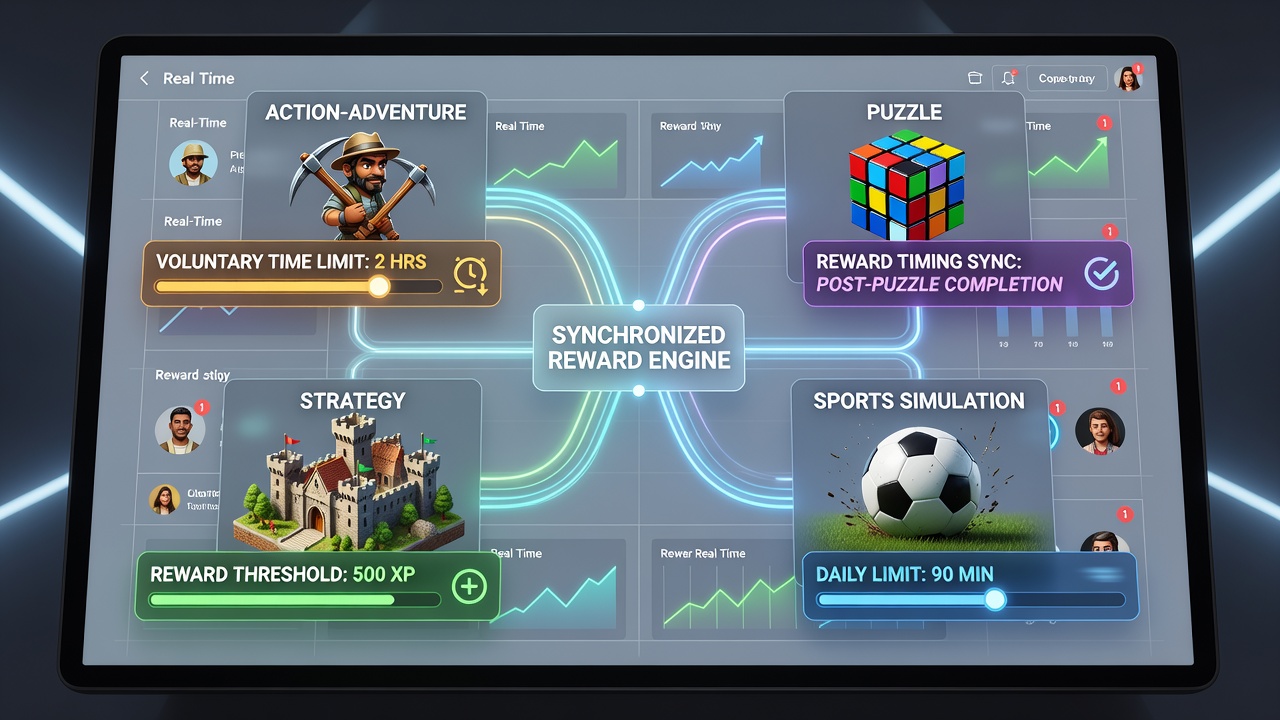
One implementation approach uses event-driven triggers: a completed spin, hand, or bet posts to the limit monitor first, then the reward calculator runs only if headroom remains. This sequence prevents over-delivery while preserving the feel of immediate feedback that players expect in fast-paced categories like slots.
Regulatory Context and Platform Examples
Regulators in multiple jurisdictions now require evidence that reward systems respect voluntary limits before approving new game categories. Pennsylvania Gaming Control Board documentation outlines expectations for synchronized controls in both online slots and table offerings. Similar guidance appears in reports from the Responsible Gambling Council in Canada, which tracks how platforms coordinate incentives with player-set boundaries across formats.
Operators have responded by publishing transparency reports that detail how many rewards were deferred or adjusted due to limit interactions. These figures indicate that the majority of adjustments occur in slots because of their higher reward frequency, while sports betting sees fewer interventions yet larger individual amounts affected.
Player Interface and Communication
Front-end displays now show projected reward availability alongside current limit usage. A progress bar might indicate both remaining deposit room and the next scheduled loyalty credit, giving players a combined view rather than isolated metrics. Notifications appear in-app when a reward is queued rather than issued, with clear language explaining the connection to the active voluntary cap.
Account dashboards aggregate data across game types, presenting total rewards received this cycle next to total amounts wagered within each category. This layout helps players understand how timing adjustments affect overall participation without requiring manual cross-referencing of separate sections.
Conclusion
Coordinating reward timing with voluntary limit tools creates a single control layer that functions consistently across slots, table games, live dealer environments, and sports betting. Technical implementations rely on centralized databases and event-driven checks that respect category differences while enforcing shared boundaries. Regulatory bodies continue to monitor these integrations, and platform reporting from August 2026 onward provides measurable data on how often rewards are adjusted to stay within player-defined parameters. The result is a more unified approach to incentive delivery that accounts for the distinct pacing of each game category.