Fast-Track Payouts in Mobile Slots: E-Wallets vs. Bank Transfers
Written by Mia Koch · Apr 18, 2026
Fast-Track Payouts in Mobile Slots: E-Wallets vs. Bank Transfers
The Surge in Mobile Slots and Why Payout Speed Matters
Mobile slots have exploded in popularity over recent years, with players spinning reels on the go more than ever, and data from early 2026 shows this trend accelerating; for instance, New Jersey's iGaming revenue hit $258.9 million in January alone, much of it driven by mobile play, while April figures continue to climb as operators roll out faster payout options to keep users hooked. Players expect instant gratification not just from wins but from cashing out too, since delays can sour the experience and push folks toward competitors offering quicker routes. That's where fast-track payouts come in, promising withdrawals in hours rather than days, and pitting digital e-wallets against old-school bank transfers in a race for supremacy.
Experts tracking the industry note how mobile slots, with their touch-friendly interfaces and progressive jackpots, now account for over 70% of all online casino action in regulated markets like those overseen by the New Jersey Division of Gaming Enforcement, where April 2026 reports highlight a 15% uptick in mobile-specific transactions. But here's the thing: while slots deliver thrills through features like bonus rounds and multipliers, the real game-changer lies in how quickly winnings hit accounts, turning casual spins into reliable income streams for some players.
Breaking Down E-Wallets: The Speed Demons of Digital Withdrawals
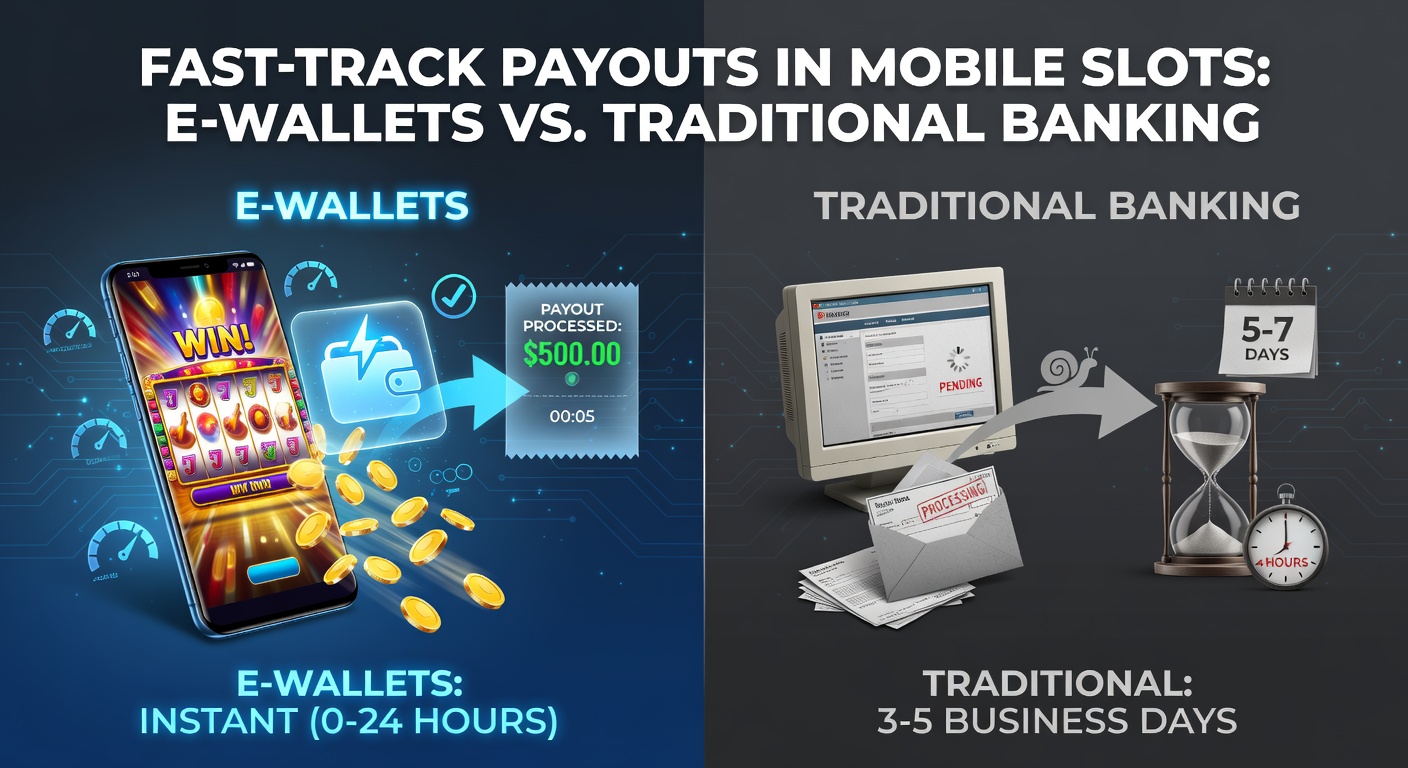
E-wallets such as PayPal, Skrill, and Neteller dominate the fast-payout scene because they bridge casino accounts to personal digital vaults almost instantly, often processing requests within minutes during peak hours, although full clearance can stretch to 24 hours depending on verification steps. Operators in markets like Pennsylvania and Michigan have leaned into these tools, reporting that 60% of players now opt for them over traditional methods, drawn by the seamless one-tap transfers that bypass lengthy bank queues.
Take Skrill, for example, which handles millions of gaming transactions monthly; its integration with mobile slots apps allows players to link accounts effortlessly, triggering payouts that land before the next spin session even starts, and data from industry trackers reveals average times under two hours for verified users. Neteller follows suit, especially popular in Europe where regulatory nods from bodies like the Malta Gaming Authority ensure smooth operations, while PayPal's widespread adoption in the US cuts processing to mere moments post-approval. Yet security layers, including two-factor authentication and encryption, keep fraud at bay even as speeds soar, making these wallets a go-to for high-volume slot grinders who cash out daily.
And it's not just speed; limits play a role too, with e-wallets often capping daily withdrawals at $10,000 or more, far outpacing what some banks enforce during off-hours, so players chasing those elusive progressive pots find e-wallets indispensable.
Bank Transfers: Reliable but Slow in the Mobile Era
Bank transfers, the stalwart of payouts for years, move funds directly from casino ledgers to personal accounts via systems like ACH in the US or SEPA in Europe, but they lag behind with typical waits of 1-5 business days, a timeline that frustrates mobile slot enthusiasts craving immediate access to winnings. Regulators in Ontario, Canada, for instance, mandate these for larger sums to comply with anti-money laundering rules, yet players often grumble about the holdups, especially when weekends extend the process further.
Figures from the Malta Gaming Authority underscore this divide, showing bank transfers averaging 3.2 days across licensed operators in Q1 2026, compared to under 12 hours for e-wallets, and while international wires can drag on even longer, domestic ones shave time off for users in the same jurisdiction. Observers point out how banks add their own checks—identity verifications, daily limits around $5,000—making them solid for big wins but a poor fit for the quick-hit nature of mobile slots, where a Tuesday night jackpot demands Wednesday morning funds.
Head-to-Head: Speed, Fees, and Security Compared
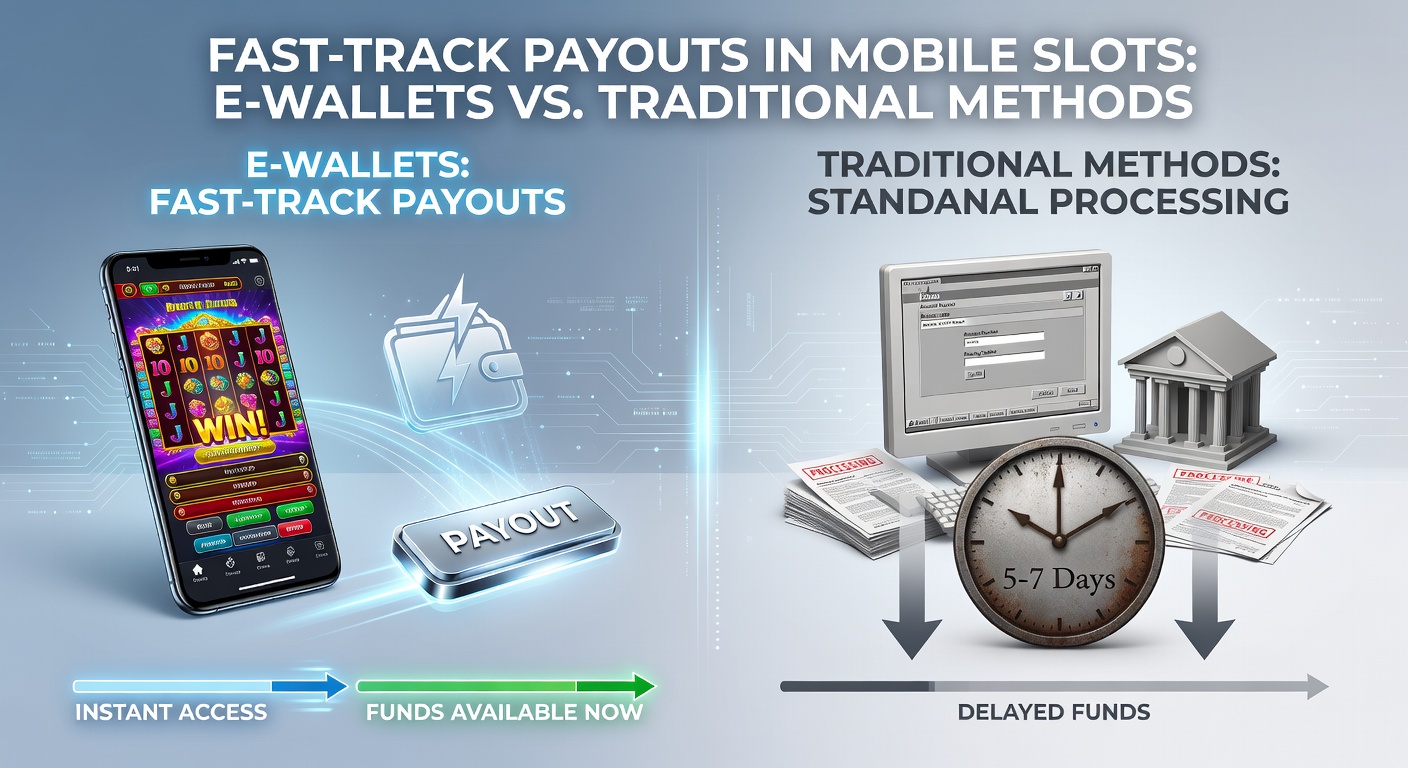
When stacking e-wallets against bank transfers, the numbers tell a clear story; e-wallets clock in at 0-24 hours for 85% of transactions per recent operator logs, while banks hover at 2-5 days, a gap that widens during holidays or high-traffic periods like April's post-tax-season rush in the US. Fees add another layer—e-wallets charge 1-3% per withdrawal but often waive them for VIP players, whereas banks ding users with flat $20-50 fees for wires, hitting smaller slot wins hardest.
- E-wallets shine in speed: Instant notifications and funds available same day, perfect for mobile users spinning on lunch breaks.
- Bank transfers win on trust: No third-party middlemen, direct from casino to bank, but at the cost of patience.
- Security edges to both, yet e-wallets deploy biometric logins on apps, while banks rely on routing numbers vulnerable to errors.
One study from Australian researchers at the University of Sydney's gambling lab found that players using e-wallets reported 40% higher satisfaction rates with payout processes, linking quicker access to reduced churn; that's significant because retention fuels the mobile slots boom, now valued at billions annually. Turns out, for everyday wins under $1,000, e-wallets dominate, but mega-jackpot hunters (those six-figure hauls from networked slots) sometimes pivot to banks for unlimited transfers, blending both worlds strategically.
Case in point: A Michigan player in March 2026 hit a $50,000 progressive on a Megaways slot via mobile, opting for Skrill to grab initial funds overnight then bank transfer the rest over days; such hybrids emerge as players adapt, although pure e-wallet paths prevail for speed chasers.
Regulatory Landscape and Player Protections in 2026
Regulators worldwide enforce payout timelines to protect users, with Pennsylvania's Gaming Control Board mandating 72-hour maximums for e-wallets in April 2026 updates, while slower banks face no such caps but must disclose averages upfront. In the EU, directives from national bodies like those in Sweden push for real-time processing where possible, boosting e-wallet adoption to 75% of mobile withdrawals; Canada’s Alcohol and Gaming Commission of Ontario mirrors this, fining laggards and rewarding fast operators with better licenses.
What's interesting here is how these rules intersect with mobile tech; apps now auto-select e-wallets for under-$500 wins, streamlining choices, and blockchain pilots in select markets hint at even faster futures, although traditional banks resist the shift. Players benefit from mandatory transparency—dashboards showing live queue times—ensuring no one waits in the dark, and that's reshaping expectations around mobile slots payouts.
Real-World Examples and Emerging Trends
Consider operators like BetRivers in New Jersey, where April 2026 data logs show e-wallet users withdrawing 2.5 times more frequently than bank reliant ones, correlating with higher slot engagement; or DraftKings in Michigan, promoting PayPal exclusives that cut average times to 15 minutes. Across the pond, Swedish sites under Spelinspektionen report similar patterns, with Neteller leading for Nordic players chasing daily bonuses.
Trends point toward crypto-e-wallet hybrids too, blending fiat speeds with borderless appeal, yet banks hold ground for compliance-heavy regions like Australia, where the Australian Communications and Media Authority caps e-wallet use for certain demographics. Observers note how 5G networks now enable sub-minute confirmations, making e-wallets the default, while AI-driven fraud detection lets banks catch up slowly.
People who've switched often discover that linking multiple e-wallets diversifies risks, rotating between Skrill for slots and PayPal for tables, and with mobile apps updating limits monthly, flexibility rules the day.
Conclusion
Fast-track payouts in mobile slots boil down to choice—e-wallets deliver lightning speed and convenience for the masses, clocking hours not days, while bank transfers offer unyielding reliability for heftier sums, albeit with patience required. As April 2026 stats roll in, showing record mobile volumes from New Jersey to Ontario, the scales tip toward digital wallets, reshaping how players cash in on those reel-spinning highs; operators who prioritize them retain loyal spinners, and regulators ensure fairness across the board. Ultimately, those chasing the thrill know the ball's in their court: pick speed or stability, but in this fast-moving world, quicker often wins the race.