Harmonizing Sound Environments and Risk Signals in Video Poker Systems
Written by Mia Koch · Aug 8, 2026
Harmonizing Sound Environments and Risk Signals in Video Poker Systems
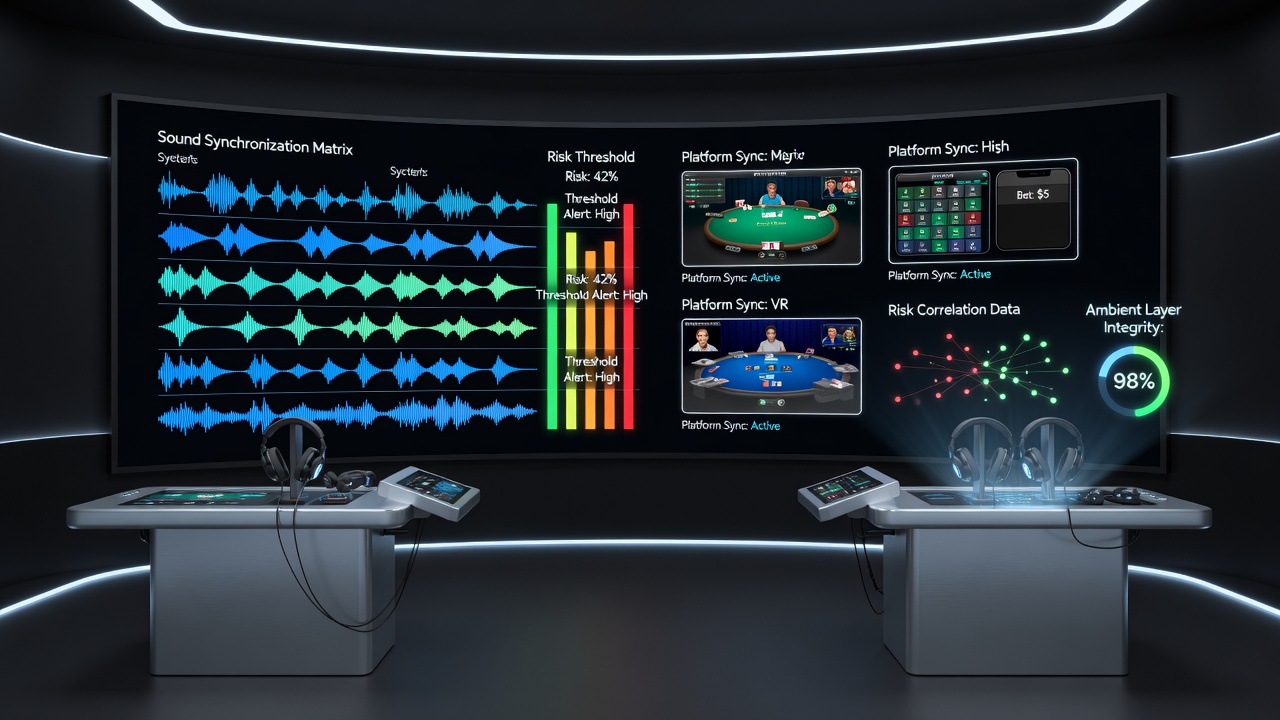
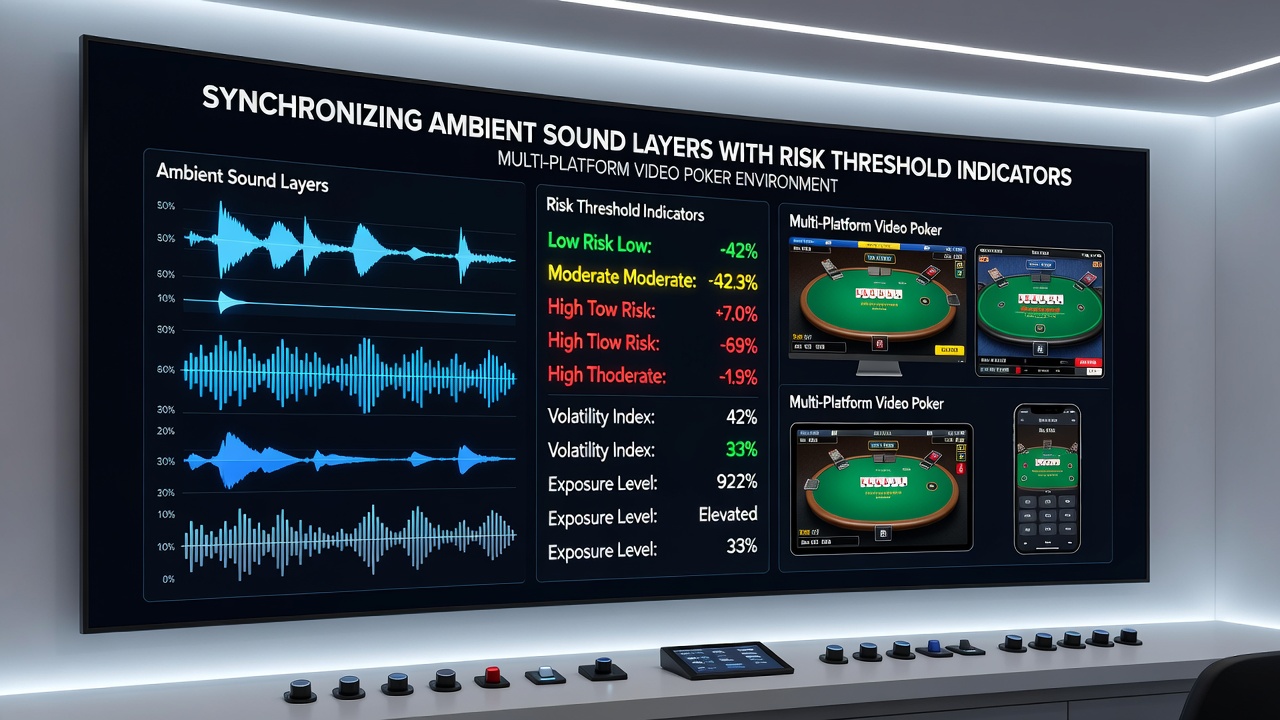
Developers coordinate ambient sound layers with risk threshold indicators to create consistent player experiences across desktop, tablet, and mobile video poker platforms. These systems combine background audio tracks that reflect game states with visual and auditory alerts triggered when betting patterns approach predefined risk levels. Data from platform operators shows that synchronized cues help maintain session awareness without interrupting play flow.
Core Components of Ambient Sound Integration
Ambient sound layers typically include low-volume casino-style atmospheres, subtle reel spin effects, and dynamic music that shifts based on hand outcomes or bet sizes. When linked to risk thresholds, these layers adjust volume or introduce warning tones once a player exceeds session limits set by the platform. Researchers at the University of Nevada Reno documented how such audio layering reduces unintended bet escalation in controlled tests conducted through 2025.
Multi-platform environments require the sound engine to scale across different hardware capabilities. Desktop versions support higher-fidelity tracks while mobile versions compress audio files to preserve battery life and data usage. Synchronization occurs through cloud-based player profiles that store both sound preferences and risk parameters, allowing seamless transitions between devices.
Risk Threshold Mechanisms and Audio Triggers
Risk thresholds function as configurable markers tied to time spent, total wagers, or loss percentages. Once a threshold activates, the system introduces distinct audio signals such as a rising tone or brief silence in the ambient track. These cues appear alongside visual overlays on screen. According to reports from the Australian Gambling Research Centre, platforms using combined audio-visual alerts recorded measurable shifts in player behavior during trials completed before August 2026.
Engineers program these triggers to avoid abrupt changes that could startle users. Instead, the ambient layer gradually incorporates the warning element over several seconds. This approach maintains immersion while delivering the necessary information. Cross-platform testing ensures the same timing and intensity occur whether a player accesses the game through a browser or a dedicated application.
Technical Challenges in Cross-Platform Delivery
Latency differences between platforms create the primary obstacle for precise synchronization. Mobile networks introduce variable delays compared with wired desktop connections, so developers employ predictive buffering to align audio and indicator events. Industry groups such as the European Gaming and Betting Association have published guidelines that address these timing issues in multi-device environments.
Another consideration involves user accessibility settings. Some players disable sound entirely or use custom volume profiles. In these cases the system routes risk indicators through haptic feedback or screen flashes while preserving the underlying data connection between thresholds and audio layers. Observers note that maintaining consistency across these varied configurations demands ongoing updates to both the sound library and the risk calculation algorithms.
Implementation Patterns Observed in 2026
By August 2026 several major operators had rolled out updated video poker suites that embed sound-risk synchronization at the core level rather than as an add-on feature. These deployments rely on modular audio engines that accept real-time input from the risk monitoring module. One case study from a North American operator revealed that session duration data remained stable after the integration, with no reported increase in support requests related to audio behavior.
Regulatory frameworks in multiple jurisdictions now reference the need for clear player information tools. Canadian provincial regulators, for instance, require documentation of how audio cues correspond to spending limits. Similar expectations appear in licensing conditions issued by Australian state authorities. Developers respond by logging every audio-threshold event for audit purposes while keeping the actual sound files lightweight for quick loading.
Future Development Directions
Work continues on adaptive systems that learn individual player responses to specific sound combinations and adjust thresholds accordingly. Academic papers from institutions in Singapore and the Netherlands explore machine learning models that refine these relationships over time. The goal remains consistent delivery of risk information without forcing players to leave the game environment.
Conclusion
Coordinating ambient sound with risk indicators represents a growing technical standard in multi-platform video poker. The approach relies on precise engineering, regulatory alignment, and continuous testing to function effectively across devices. As platforms evolve through 2026 and beyond, the integration of these elements continues to shape how operators present session information to users.