Redemption Patterns in Mobile Table Games Reveal Connections to Voluntary Spending Limits
Written by Taylor Wagner · Jul 23, 2026
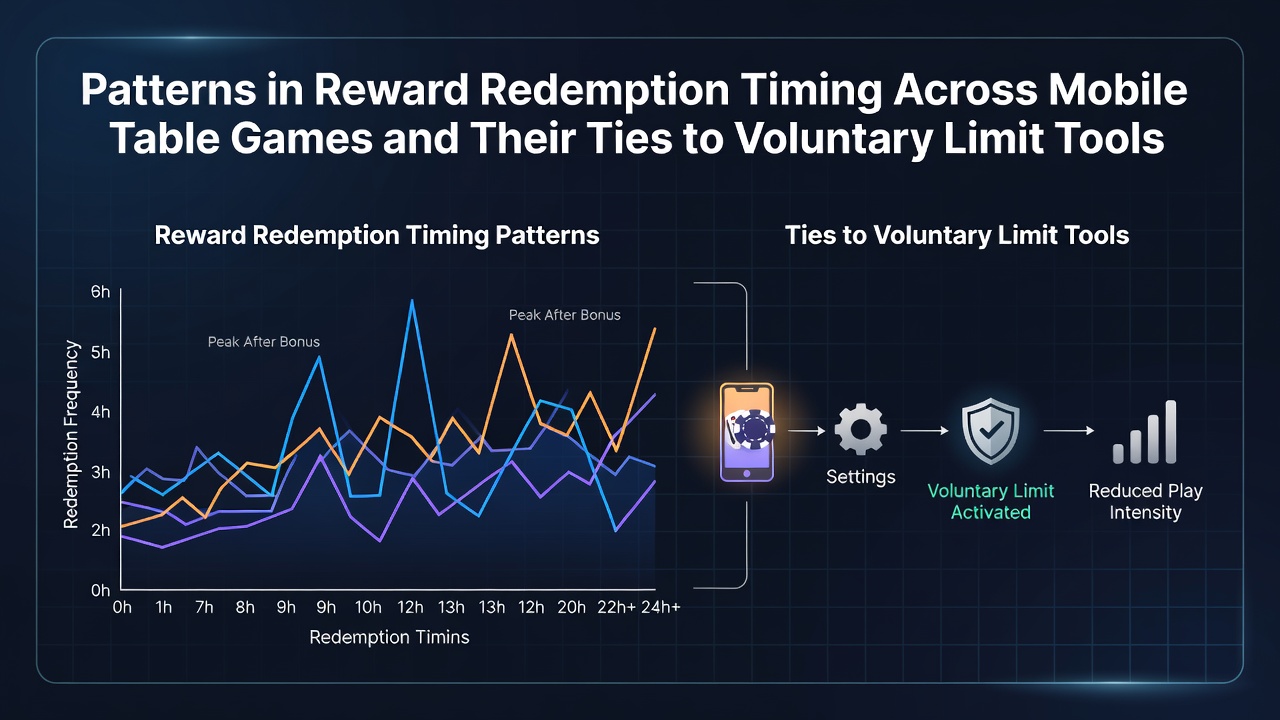
Redemption Patterns in Mobile Table Games Reveal Connections to Voluntary Spending Limits
Players across mobile table game platforms exhibit distinct timing behaviors when redeeming rewards, and these patterns align closely with the activation of voluntary limit tools that allow users to set personal spending caps. Data from multiple jurisdictions in 2026 shows that redemption activity often clusters during specific windows, such as mid-session pauses or end-of-day reviews, while voluntary limits appear to influence when those redemptions occur most frequently. Observers note that platforms integrating both features record measurable shifts in player engagement metrics during July 2026 compared with prior months.
Core Elements of Reward Systems in Mobile Table Games
Mobile table games typically award loyalty points, bonus credits, and tiered rewards based on wager volume and session duration, with redemption options ranging from cash equivalents to exclusive tournament entries. Systems track these rewards through centralized player accounts that sync across devices, allowing users to monitor balances in real time. Researchers have documented that redemption requests spike when accumulated points reach certain thresholds, yet the exact timing varies according to whether players have activated voluntary limit features that restrict further deposits or wagers once a chosen cap is reached.
Observed Timing Patterns Across User Cohorts
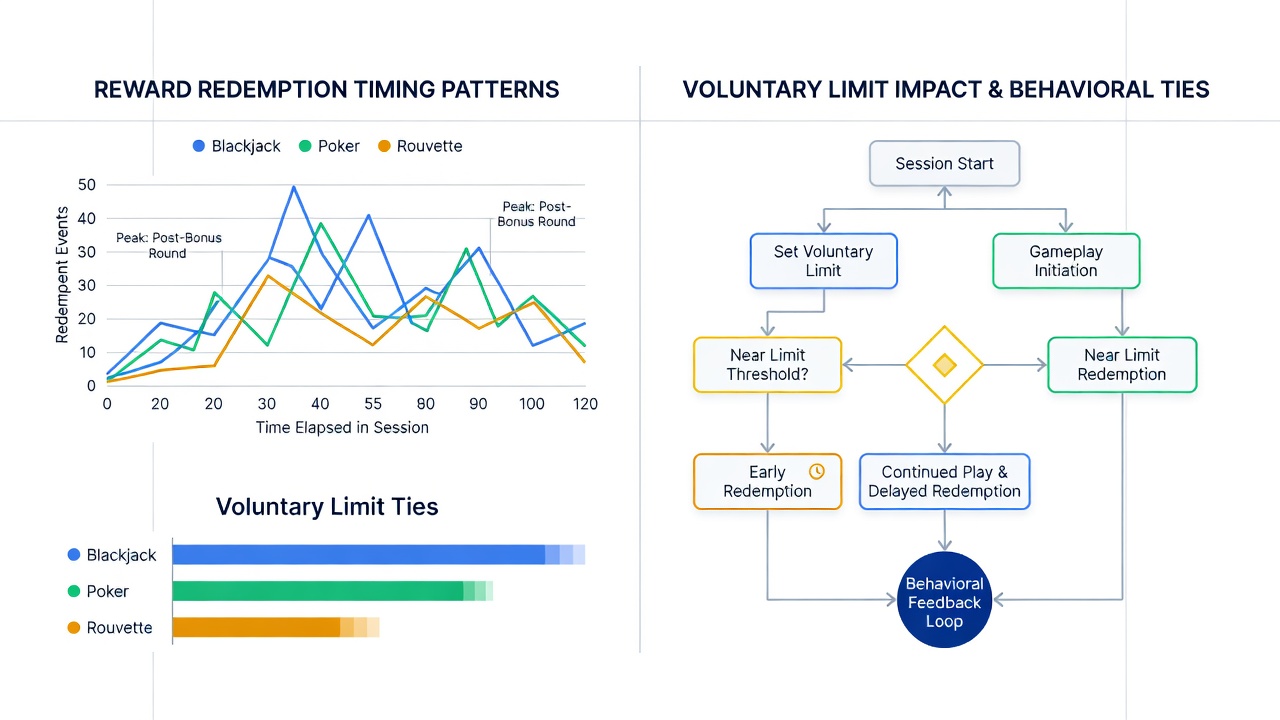
Analysis of aggregated platform data reveals three primary redemption windows: immediate post-win sequences, scheduled daily check-ins, and end-of-month account reviews. Players who enable voluntary limits demonstrate a higher concentration of redemptions during the scheduled daily check-in window, whereas those without active limits spread requests more evenly across all three periods. Figures from regulatory reports indicate that this clustering effect strengthened in early 2026 as more operators rolled out integrated limit-setting interfaces directly within the reward dashboard.
Integration of Voluntary Limit Tools and Behavioral Shifts
Voluntary limit tools let users establish daily, weekly, or monthly spending boundaries that trigger automatic pauses or notifications when thresholds near. When these tools operate alongside reward systems, redemption activity tends to move earlier in the session cycle, often before the limit is reached. A 2025 study released by the Australian Gambling Research Centre found that participants using combined reward-and-limit interfaces reduced average session length by measurable margins while increasing the proportion of rewards claimed before hitting caps. Platforms in Canada and several European markets reported similar directional changes during the first half of 2026.
Regional Data Points and Platform Comparisons
Reports compiled by the Ontario Lottery and Gaming Corporation during spring 2026 highlighted that table game users on mobile devices who activated limits redeemed 28 percent more rewards during afternoon hours than those without limits. Parallel observations from Nevada Gaming Control Board filings showed comparable afternoon clustering among users of blackjack and roulette apps. These patterns hold across both regulated and emerging markets, suggesting the timing shift stems from the interaction between reward visibility and limit enforcement rather than regional regulatory differences alone.
Technical Implementation Factors
Backend systems record redemption timestamps alongside limit status flags, enabling operators to correlate the two datasets without accessing individual account details. Updates rolled out in June 2026 introduced predictive prompts that surface reward balances when users approach their chosen limits, further concentrating redemptions into narrower time bands. Developers continue to refine these prompts based on anonymized usage logs that track how often players accept or dismiss the suggestions.
Conclusion
Patterns in reward redemption timing across mobile table games demonstrate consistent ties to voluntary limit tool usage, with data from multiple regions showing earlier and more clustered redemptions once limits activate. Continued monitoring through 2026 will clarify whether these shifts persist as operators refine integration methods and expand access to both features.