Resorts World Casino Engages New York Gaming Commission in Dispute Over Racing Support Obligations
Written by Gisela Günther · Jun 2, 2026

Resorts World Casino Engages New York Gaming Commission in Dispute Over Racing Support Obligations
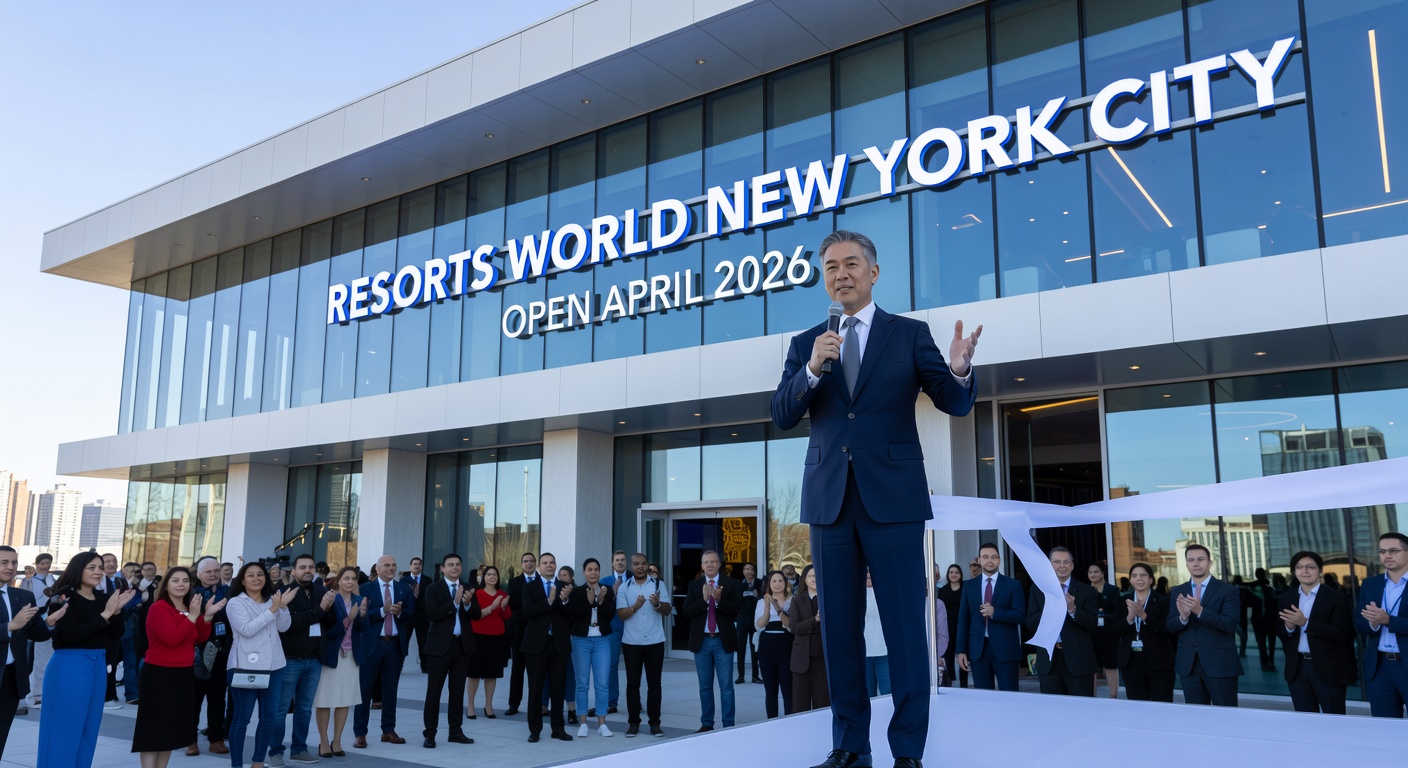
Resorts World opened New York City’s first full-scale casino in April 2026, and the facility has now entered discussions with the state Gaming Commission regarding “racing support” payments to the horseracing industry, payments that observers estimate could exceed $500 million across the next four years until additional licensed casinos begin operations.
The company bid a 56% tax rate that incorporated these required contributions to horseracing, yet state officials maintain the payments stand separate from that rate, creating a clear difference in interpretation that affects revenue calculations from the outset.
Background on the Casino Opening and Payment Requirements
Resorts World launched operations under the regulatory framework established for commercial casinos, and the agreement included commitments tied to supporting New York’s horseracing sector through dedicated funding streams that continue until competing facilities open and share the load. Those who track gaming policy note the structure spreads costs across early operators in a phased manner, which means Resorts World currently carries the primary responsibility while other licenses remain pending.
The four-year window referenced in the dispute aligns with projections for when subsequent casinos receive approvals and commence business, at which point the racing support obligations would distribute more broadly across multiple operators. Data from the Commercial Casinos webpage shows how tax structures were designed to balance operator bids with ongoing industry support mandates.
Core Positions in the Current Disagreement
Resorts World contends the racing support amounts should fold directly into the 56% tax rate established during the bidding process, treating them as part of the overall revenue share rather than an add-on expense. State regulators, by contrast, classify the payments as distinct obligations that sit outside the base tax calculation, which preserves the full 56% rate while requiring separate contributions.
This distinction carries significant financial weight because the projected total surpasses $500 million through the transition period, and inclusion within the tax rate would reduce the company’s net outlay compared with treating the amounts as extra. Company representatives have therefore advanced proposed legislation that would redirect the racing support funds directly from the commercial gaming revenue fund, a mechanism designed to clarify the accounting without altering the original bid terms.
Legislative Proposal and Revenue Fund Mechanics
The legislation put forward by Resorts World aims to streamline collection by drawing the required horseracing contributions straight from the centralized commercial gaming revenue fund instead of requiring separate remittances from the operator. Such an approach would align the payments more closely with existing tax flows and reduce administrative friction for both the company and state agencies during the interim years before additional casinos launch.
Those familiar with the regulatory process observe that similar fund-based adjustments have resolved parallel issues in other jurisdictions, allowing operators to meet statutory obligations while maintaining the integrity of their original tax commitments. The proposal remains under review, and any resolution would set precedent for how future casino licenses handle comparable support requirements.
Timeline and Broader Context as of June 2026
As of June 2026 the casino has operated for roughly two months, yet the payment structure has already prompted formal exchanges between Resorts World and the Gaming Commission. The dispute surfaces at a moment when New York continues to expand its commercial gaming footprint, with additional licenses still in teh approval pipeline and no firm opening dates announced for the next wave of facilities.
Observers note the situation highlights how early operators absorb concentrated costs under phased implementation models, and the proposed legislative fix could influence how similar obligations are structured once the market reaches full capacity. The Commercial Casinos webpage lists the applicable tax rates and outlines the framework within which these payments operate, providing public reference points for the ongoing discussions.
Financial Implications for All Parties Involved
Over the four-year span the racing support payments represent a substantial line item that affects Resorts World’s operating margins until relief arrives through market expansion. Inclusion within the existing 56% rate would integrate the amounts into a single calculation, whereas treating them separately preserves higher total remittances to the state in the short term.
State officials have emphasized that the horseracing industry relies on consistent funding streams during this transitional phase, which explains the preference for maintaining the payments as distinct from the base tax. The legislative route suggested by the company seeks to satisfy both the industry support mandate and the operator’s original bid parameters through redirected fund mechanics rather than direct operator payments.
Conclusion
The disagreement between Resorts World and the New York Gaming Commission centers on whether racing support payments exceeding $500 million over four years belong inside or outside the operator’s 56% tax rate, with the company advancing legislation to channel those funds from the commercial gaming revenue pool. Resolution of this matter will shape revenue distribution during the period before additional casinos open and will establish clearer guidelines for how such obligations integrate with tax structures going forward.