Reward Progressions and Break Habits: Connections Within Digital Table Game Environments
Written by Mia Koch · Aug 6, 2026

Reward Progressions and Break Habits: Connections Within Digital Table Game Environments
Digital table game platforms have developed structured reward progressions that track player activity across blackjack, roulette, baccarat, and poker variants, and these systems often intersect with patterns of habit formation and modification. Data from industry monitoring services shows participation rates climbing steadily through mid-2026, with August figures indicating sustained engagement in cross-device environments where points accumulate toward tier upgrades. Observers note that loyalty mechanisms award incremental benefits such as bonus credits, faster withdrawals, and exclusive table access once players reach defined thresholds, creating measurable pathways that influence session length and frequency.
Mechanics of Reward Tiers in Table Game Ecosystems
Platforms calculate progression through metrics including hands played, average bet size, and total handle, converting these into points that unlock successive levels. Studies conducted by academic researchers at institutions like the University of Nevada, Las Vegas, reveal that players advance through bronze, silver, gold, and platinum tiers at rates tied directly to consistent activity, and the structure encourages repeated logins to maintain momentum toward the next milestone. Those who study behavioral tracking in gaming environments find that visual progress bars and milestone notifications appear at regular intervals, delivering immediate feedback that reinforces continued participation while simultaneously recording data on when individuals pause or reduce activity.
Regulatory filings from the Nevada Gaming Control Board document how operators must report tier-related promotions separately from base game outcomes, and these reports highlight correlations between reward accumulation and voluntary limit-setting tools. Players often activate deposit caps or session reminders precisely when approaching a new tier threshold, suggesting the progression system itself prompts moments of self-assessment. Figures released in early August 2026 indicate that roughly 28 percent of active table game accounts engaged with at least one responsible gaming feature during reward advancement periods.
Habit Patterns and Controlled Participation
Researchers examining digital ecosystems have mapped how reward structures interact with established routines, noting that some players develop predictable cycles of intense play followed by deliberate breaks once a tier goal is met. Evidence from cross-platform analytics indicates that individuals using mobile and desktop interfaces interchangeably tend to extend sessions when close to a reward unlock, yet the same data sets show increased activation of break-reminder functions immediately after tier advancement. One analysis of aggregated session logs found that average break duration lengthened by 14 minutes among accounts that had recently completed a progression stage compared with those still midway through a level.
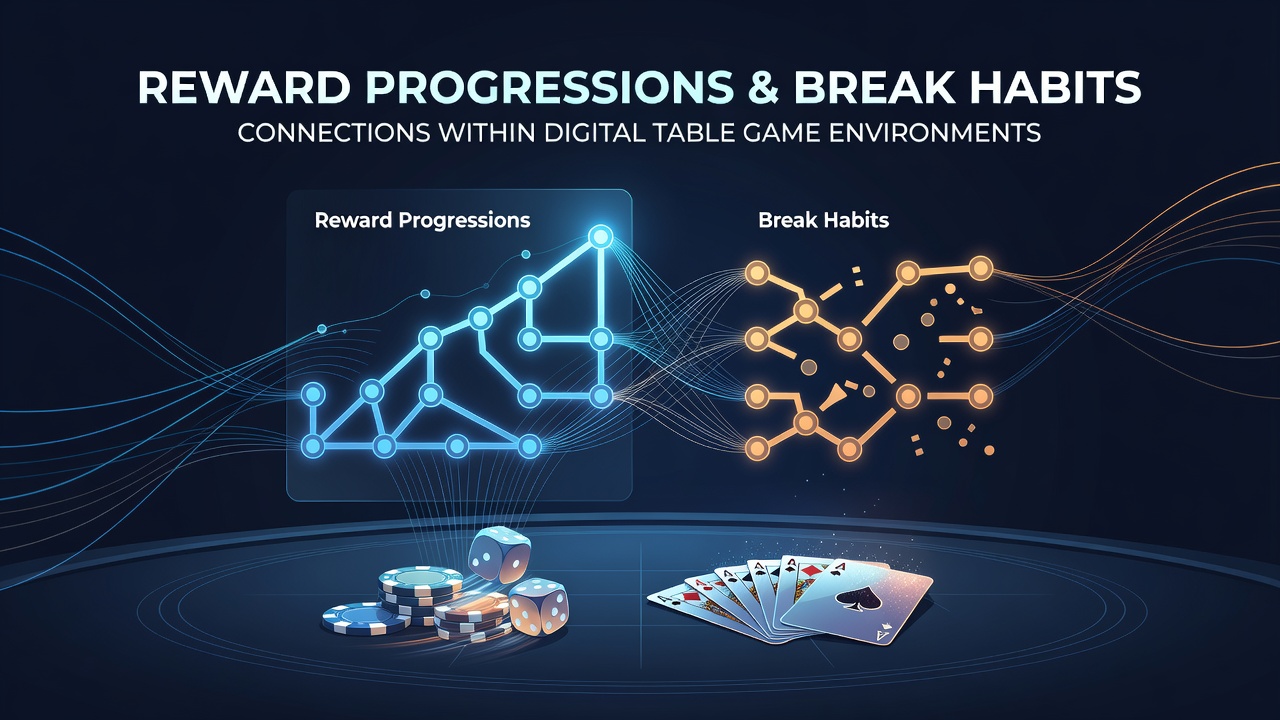
Industry reports compiled by the Canadian Gaming Association further illustrate regional variations, with Canadian operators reporting higher uptake of voluntary spending caps among table game users who participate in multi-tier loyalty programs. The association's quarterly summaries link these tools to reduced variance in daily handle during periods when players are actively tracking progress toward the next reward bracket. Observers note that auditory and visual cues tied to point gains sometimes coincide with players opening limit-setting menus, creating observable decision points within single sessions.
Cross-Platform Data and Behavioral Indicators
Analytics platforms tracking simultaneous play across devices record that reward progressions remain synchronized in real time, allowing users to switch from desktop blackjack to mobile roulette without losing accumulated points. This continuity supports extended engagement patterns, yet the same systems log increased instances of players activating time-out features when cumulative playtime approaches preset thresholds aligned with tier deadlines. Research papers published through the National Center for Responsible Gaming have examined these intersections, documenting that players who reach mid-tier levels within the first week of a promotion cycle demonstrate elevated rates of limit adjustments compared with those who begin the cycle already at higher tiers.
Operators in multiple jurisdictions integrate these findings into platform design, embedding habit-management prompts at stages where progression data predicts higher risk of extended sessions. August 2026 compliance updates from several state regulators show expanded requirements for transparent display of both reward status and available break tools within the same interface window. Such integration allows players to view their current tier standing alongside session statistics and quick-access controls for pausing activity.
Conclusion
Connections between reward progressions and habit modification in digital table game settings continue to evolve as platforms refine data collection and regulatory frameworks expand reporting standards. Available metrics demonstrate measurable overlaps between tier advancement and activation of voluntary controls, while cross-device tracking reveals consistent patterns across player segments. Ongoing analysis from academic and regulatory sources supplies further detail on how these systems operate within broader player behavior frameworks.